
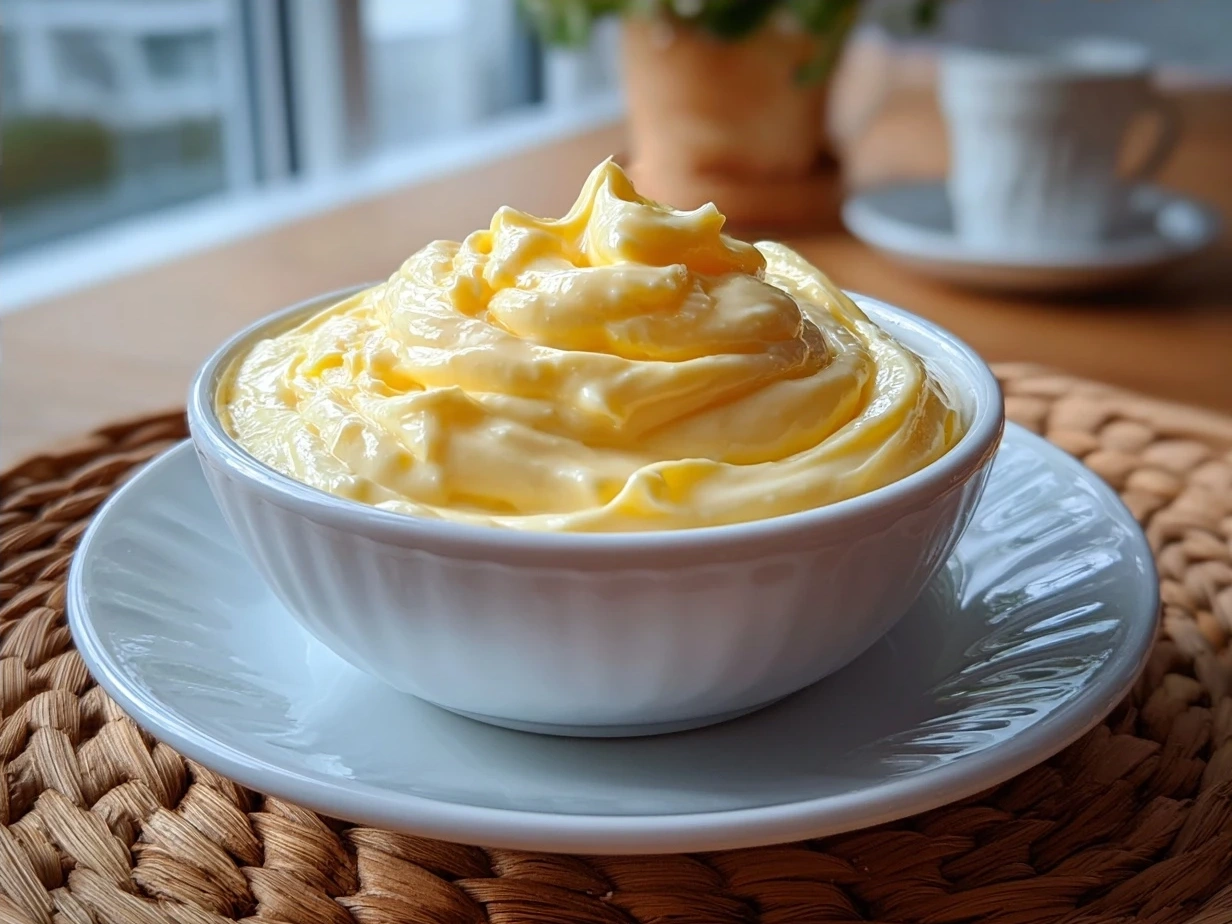
Homemade mayonnaise is one of those simple kitchen wins that brings the whole family around the table. I remember one afternoon when my oldest daughter asked if I could make mayonnaise from scratch instead of buying the store-bought kind. She wanted it for our sandwiches and was curious about how it actually comes together. That day I rolled up my sleeves and gave it a try. Watching my daughter’s eyes light up when she tasted the homemade mayonnaise was priceless. It wasn’t just about the flavor—it was the fact that she felt involved, and it made our meal feel more special. Since then, homemade mayonnaise has become a regular part of our meal rotation, whether for quick lunches or family gatherings.
What makes homemade mayonnaise so memorable is how it can turn an everyday sandwich or salad into something comforting and special. The creamy texture and fresh taste make a big difference. I didn’t always feel confident about how to make mayonnaise, especially when it comes to getting the egg yolk emulsification just right. But once I figured out the right techniques, it became straightforward and actually fun. Now, every time I whip up this homemade mayonnaise, it feels like a little celebration in my kitchen.
If you’ve ever wondered about homemade mayonnaise but felt a little intimidated, I want you to know it’s approachable. This recipe I’ll share with you is grounded in classic mayonnaise principles, focusing on simple, easy-to-find ingredients and clear steps. Whether you’re new to mayonnaise making or looking to improve your technique, this will give you the confidence to enjoy mayonnaise that your family will love. Let’s get started, so you can bring homemade mayonnaise to your table soon—it’s a recipe that truly creates moments worth sharing.
What’s great about homemade mayonnaise is how it can be a base for so many flavors and dishes. If you and your family enjoy this homemade mayonnaise, you might also love recipes like cranberry orange bread with glaze or oven-baked snow crab legs, which bring different tastes and vibes to the table. For a little festive fun, Christmas cool whip candy is another one of my favorites that pairs wonderfully with the kind of meals homemade mayonnaise complements. Keep reading, and I’ll take you through everything you need to know.
What You’ll Need
Here’s what goes into making homemade mayonnaise that keeps things simple without sacrificing flavor:
- 1 large egg yolk (room temperature) – This is the key to the egg yolk emulsification that holds your mayo together.
- 1 cup neutral oil (like canola or grapeseed oil) – You want a light oil for a clean flavor.
- 1 tablespoon Dijon mustard – Adds a subtle zing and helps with emulsification.
- 1 tablespoon white vinegar or lemon juice – For brightness and tang.
- 1/2 teaspoon salt – To bring out the flavor.
- A pinch of sugar (optional) – Balances the acidity.
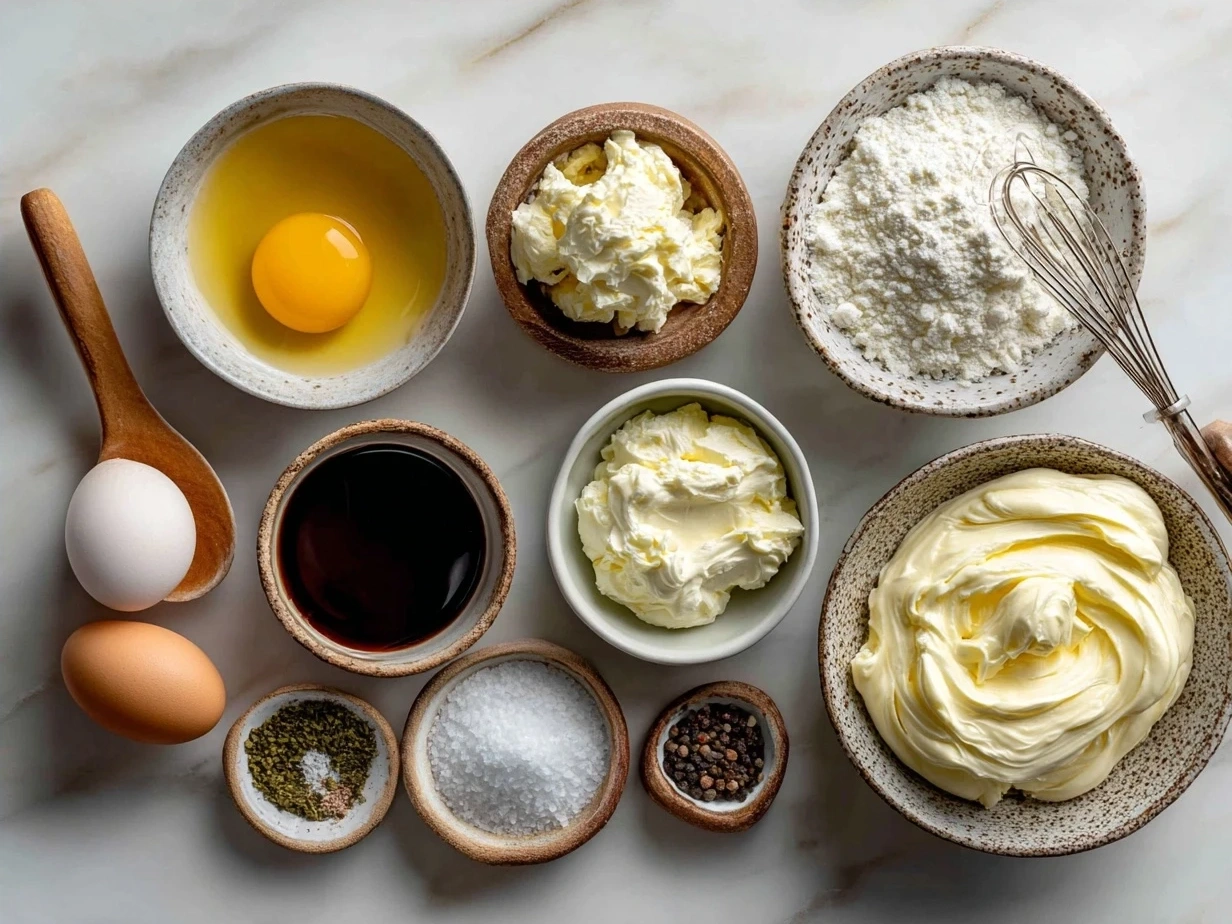
For the best homemade mayonnaise, I recommend getting fresh eggs as fresh eggs make a noticeable difference in texture and flavor. You’ll find everything for this homemade mayonnaise at your regular grocery store, which makes shopping easy.
This homemade mayonnaise is forgiving if you need to swap ingredients. For example, olive oil works well but alters the flavor slightly with a more pronounced taste. If you’re missing Dijon mustard, yellow mustard is a fine substitute, but I love the classic mayonnaise recipe’s touch of Dijon for a bit of sharpness.
Before starting, I like to have my mayo ingredients at room temperature. This little prep step helps everything come together more smoothly and prevents the mayo texture from breaking. My family prefers when I use this approach in our homemade mayonnaise because it makes the end result creamier and more consistent. If you’re interested in quick versions, check out this Two-Minute Mayonnaise Recipe for busy days. For those curious about copycat versions, How to make Hellmann’s mayonnaise {copycat} recipe is a great resource too.
How to Make It
Making homemade mayonnaise has its moments, but with a little guidance, it’s something you’ll look forward to every time.
1. Whisk the egg yolk, mustard, and salt together in a medium bowl. I like to use a sturdy whisk or an immersion blender for speed and consistency. The egg yolk emulsification starts here, and getting these ingredients well combined is important.
2. Slowly add the oil while whisking constantly. This step requires patience. Start by adding just a few drops at a time, then gradually increase to a thin stream. This slow addition lets the egg yolks and oil bind properly and prevents the sauce from breaking.
3. As you keep whisking, you’ll notice your mixture thickening. This is the homemade mayonnaise texture developing—smooth, creamy, and glossy. It usually takes me about 7 to 10 minutes from start to finish.
4. Add the vinegar or lemon juice next. This brightens the flavor and helps preserve your mayonnaise. Give it a few more whisk strokes after adding the acid.
5. Taste your paste and adjust seasoning if needed—more salt or a touch of sugar depending on your family’s preference.
If your homemade mayonnaise looks too thin or separates, don’t worry. This is common if the oil is added too quickly or if the temperature of ingredients is off. To fix it, start with a fresh egg yolk in a clean bowl and slowly whisk your broken mayo into it in a thin stream. You’ll be surprised how easy it is to rescue.
While your homemade mayonnaise is cooking, your kitchen will smell fresh and inviting, a subtle hint of tang and mustard.
If you want a shortcut, some cooks use a food processor or blender, but I love the control whisking by hand gives. Also, some cooks add a tiny bit of warm water if the mayo gets too thick—that’s a handy trick. For more tips on emulsifying, you can visit this discussion about egg white helping emulsify mayonnaise.
Making homemade mayonnaise takes a bit of practice to get the rhythm, but once that’s there, it’s one of those kitchen tasks that feels like a gift to your family every time you serve it.
Serving Ideas
My family reaches for seconds whenever homemade mayonnaise comes out with sandwiches, salads, or even as a dip. It is perfect for those nights when you want something satisfying but simple. One of our favorite ways to enjoy it is spread thickly on crispy turkey sandwiches layered with fresh lettuce and tomato.
Homemade mayonnaise is also a great base for adding flavors. Try mixing in fresh herbs, a little garlic, or sriracha for a spicy kick. These variations bring new life and fun to your homemade mayonnaise without adding complexity.
For celebrations or casual family dinners, homemade mayonnaise makes everything taste more homemade and thoughtful. It pairs beautifully with oven-baked snow crab legs or even a light slaw at cookouts. Presentation tips? Serve it in a pretty small bowl with a sprinkle of paprika or chives on top to make it look extra special.
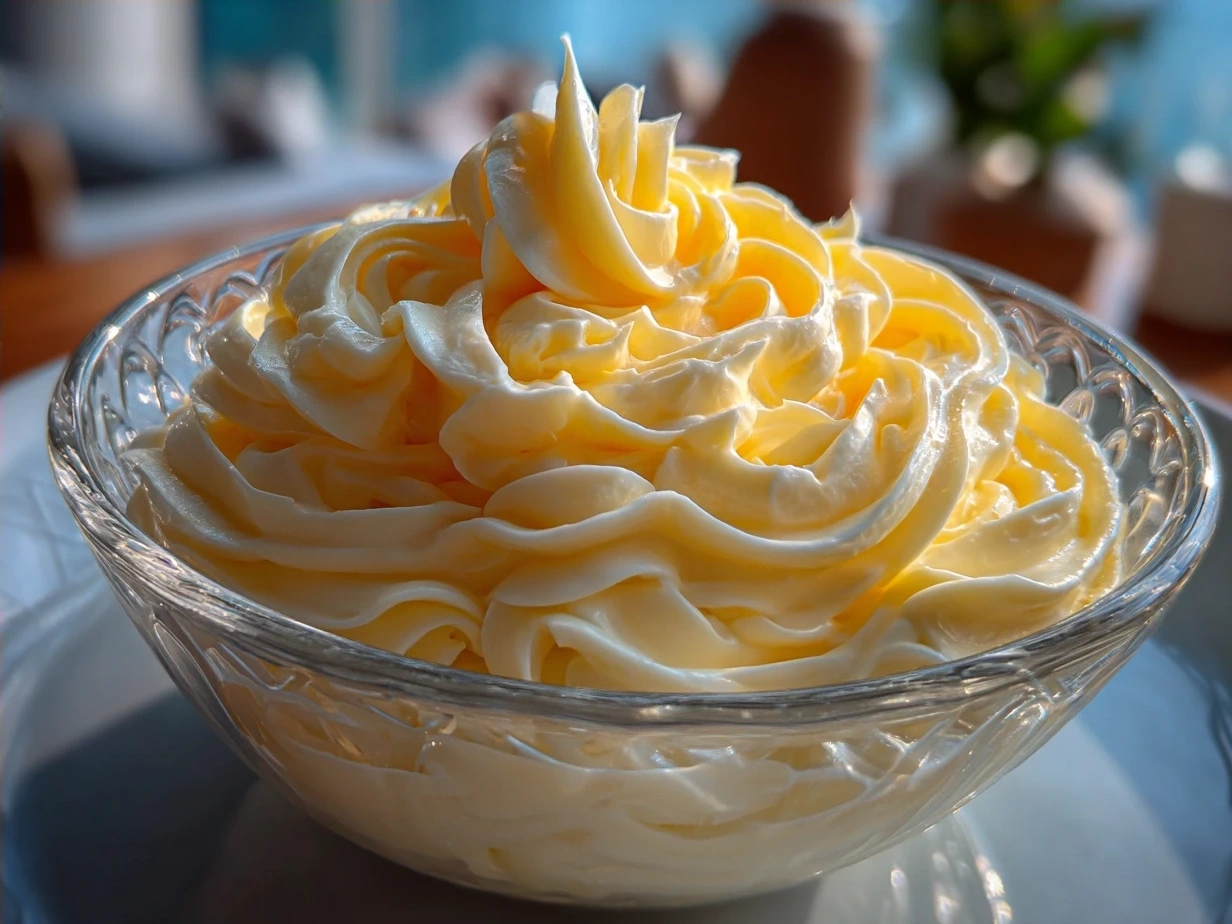
Leftovers store well in an airtight container in the fridge for up to a week. If you find yourself with extra, you can use it to boost flavor in dips, dressings, or even a quick sandwich spread.
If your family enjoys this homemade mayonnaise, they’ll also love the sweet punch of cranberry orange bread with glaze or festive treats like Christmas cool whip candy. Both recipes bring different flavors to your table that complement the rich creaminess of mayonnaise.
Your Questions Answered
Q: Can I make this homemade mayonnaise ahead of time?
A: Absolutely! I often make mine a day ahead to let the flavors settle. Keep it refrigerated in a sealed container, and it stays fresh and tasty for about a week.
Q: What if I don’t have Dijon mustard?
A: Yellow mustard works fine in a pinch. The classic mayonnaise recipe uses Dijon for its sharpness, but swapping it won’t break your homemade mayonnaise. Some family members prefer milder mustard flavors.
Q: How do I store leftover homemade mayonnaise?
A: Store it in a clean, airtight container in the fridge. It’s best used within seven days. Always use a clean spoon to avoid contamination, which helps keep your mayo fresh longer.
Q: My homemade mayonnaise broke. What should I do?
A: It happens! Start a new egg yolk in a clean bowl and slowly whisk your broken mayonnaise into it. This egg yolk emulsification technique usually gets it back on track nicely.
Q: Can I use olive oil for homemade mayonnaise?
A: Yes, but the flavor is stronger and can be slightly bitter. I like to mix olive oil with a neutral oil if I want that olive flavor without overpowering the mayo.
Q: Does the egg yolk have to be raw?
A: Traditional homemade mayonnaise uses raw egg yolks. If you’re nervous about that, you can use pasteurized eggs to be safe.
Q: How do I know when my homemade mayonnaise is ready?
A: You’ll see a thick, creamy texture that holds its shape and a smooth, shiny appearance. The taste should be tangy and balanced from the mustard and vinegar.
Q: Can I make homemade mayonnaise vegan?
A: Traditional recipes depend on egg yolks, but there are vegan mayo alternatives out there. For homemade mayonnaise as covered here, eggs are essential for emulsification.
If you want to dig into more homemade mayonnaise methods, I like this How to make Hellmann’s mayonnaise {copycat} recipe for a familiar flavor, and for a quick option, check out the Two-Minute Mayonnaise Recipe.
The Final Word
This homemade mayonnaise has earned its spot in my recipe collection for its simplicity and the meals it brings to life. It’s comforting and versatile, making family meals feel a little more thoughtful without extra fuss.
Here are my homemade mayonnaise tips that I’ve picked up along the way:
- Use room temperature egg yolks for the smoothest egg yolk emulsification.
- Add oil slowly—the slower, the better for a creamy texture.
- Don’t be afraid to rescue broken mayonnaise by starting with a fresh yolk.
As for variations, I’ve had success adding fresh herbs for summer, a dash of smoked paprika for depth, and even a touch of wasabi for a fun twist. My kids love the herbed version, while my husband goes for classic.
I encourage you to make this homemade mayonnaise your own and see how it changes your family meals. I hope it brings your kitchen the same warm moments it has brought mine.
If your family loves homemade mayonnaise as much as mine does, check out these family-friendly recipes for more great meal ideas: cranberry orange bread with glaze, oven-baked snow crab legs, and Christmas cool whip candy. Each has its own way of making your table a place of joy and connection.
You’re ready to use this homemade mayonnaise to make simple meals extraordinary. Happy cooking!
homemade mayonnaise
Creamy and rich homemade mayonnaise made from simple natural ingredients, perfect for sandwiches, dressings, and dips.
- Prep Time: 10 minutes
- Cook Time: 0 minutes
- Total Time: 10 minutes
- Yield: 1 cup
- Category: Snack
- Method: No-Cook
- Cuisine: American
Ingredients
- 1 large egg yolk
- 1 teaspoon Dijon mustard
- 1 tablespoon lemon juice or white vinegar
- 1 cup neutral oil (such as canola or vegetable oil)
- Salt, to taste
- Freshly ground black pepper, to taste (optional)
Instructions
- Place the egg yolk, mustard, and lemon juice (or vinegar) in a mixing bowl and whisk together until well combined.
- Slowly begin to add the oil drop by drop while continuously whisking vigorously to emulsify the mixture.
- Once the mixture starts to thicken and emulsify, you can add the oil in a slow, steady stream while continuing to whisk until all the oil is incorporated and the mayonnaise is thick and creamy.
- Season with salt and freshly ground black pepper to taste. Whisk again to combine.
- Transfer the mayonnaise to a clean jar or container. Refrigerate and use within one week.
Notes
For a different flavor, try adding minced garlic for garlic aioli or a teaspoon of honey for a touch of sweetness.