
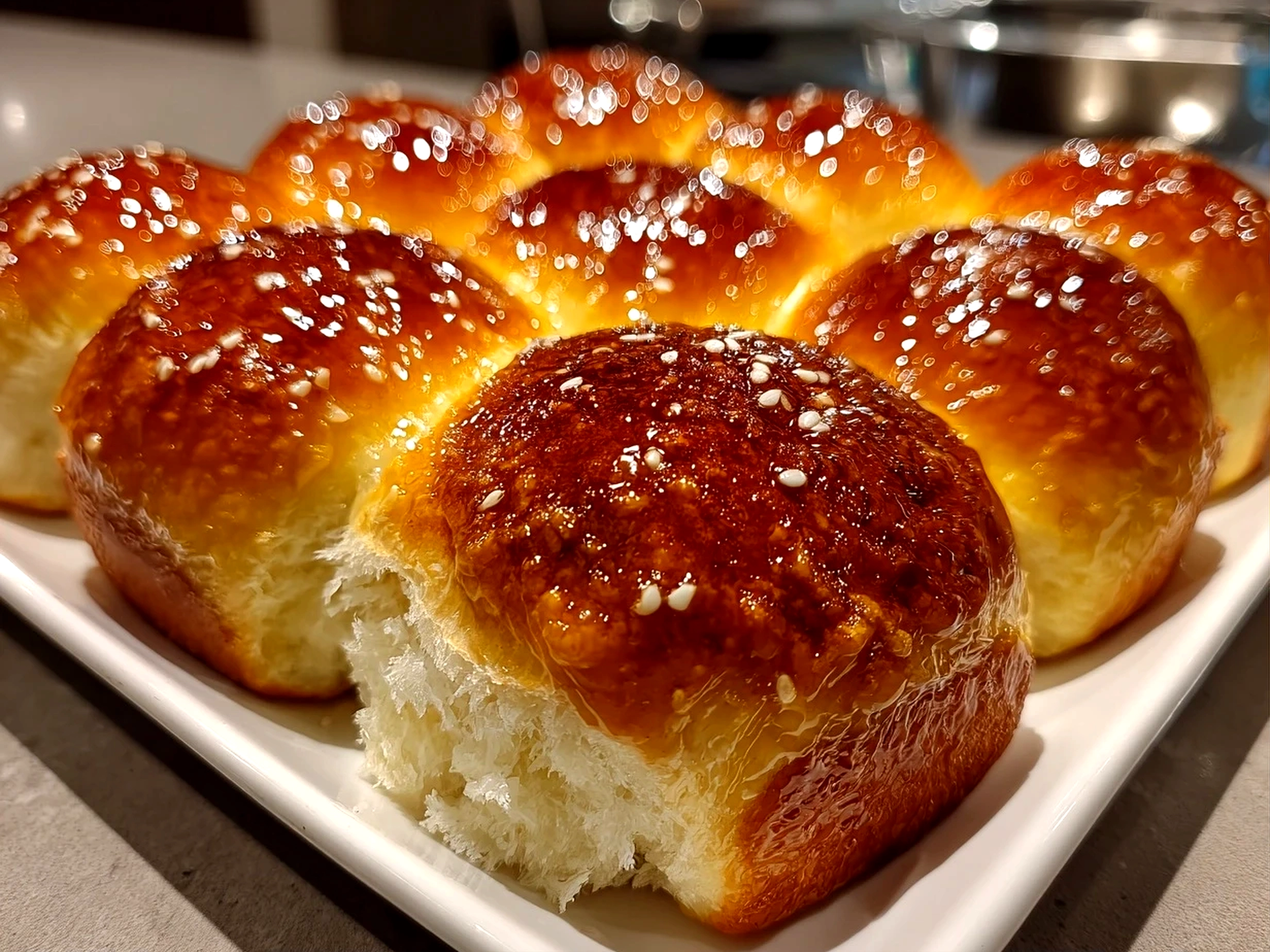
There was a moment at my kitchen table last fall when my youngest asked if I could make Japanese Milk Bread Rolls. She had tasted them at a friend’s house and couldn’t stop talking about how soft and pillowy they were. At first, I thought this would be just another bread recipe to try and perfect. But once I baked my first batch of Japanese Milk Bread Rolls, the whole family was hooked. Watching everyone gather around to nibble the fluffy soft rolls, I realized just how much these little breads bring people closer for those simple, cozy moments. Since then, Japanese Milk Bread Rolls have become a regular part of our meal rotation, from weekend breakfasts to quick snacks after school.
Making Japanese Milk Bread Rolls stuck with me because of their texture—thanks to the tangzhong method, these rolls stay soft and fresh for days. The milk enriched dough adds richness that’s just the right balance, not too sweet or heavy. The first time I got it right, I felt like I’d unlocked something special for my family’s dinner table. If you like bread that’s tender enough to tear apart by hand but substantial enough to hold fillings, you’re in for a treat.
I want you to feel that same confidence and joy when you make these Japanese Milk Bread Rolls. Whether it’s your first time or you’re looking to improve, this recipe and tips will help you have success. You’ll see it’s not as tricky as it looks once you understand this style of bread baking. Plus, you’ll have plenty of leftover rolls perfect for lunches or sandwiches. Give them a try, and see how they can bring a little extra warmth to your family meals.
If you’re curious about the secret behind those irresistibly soft, pillowy texture bread bites, keep reading. I’ve learned a few kitchen tips that turn this bread from a challenge into a recipe favorite. And if your family loves this, they’ll also enjoy recipe ideas like gingerbread crinkle cookies and homemade buttermilk biscuits from MomsGate.
What You’ll Need
For the best Japanese Milk Bread Rolls, you’ll want a few simple ingredients that create that soft, fluffy soft rolls texture using the tangzhong method. Here’s my go-to list that makes the process smooth and yield delicious results:
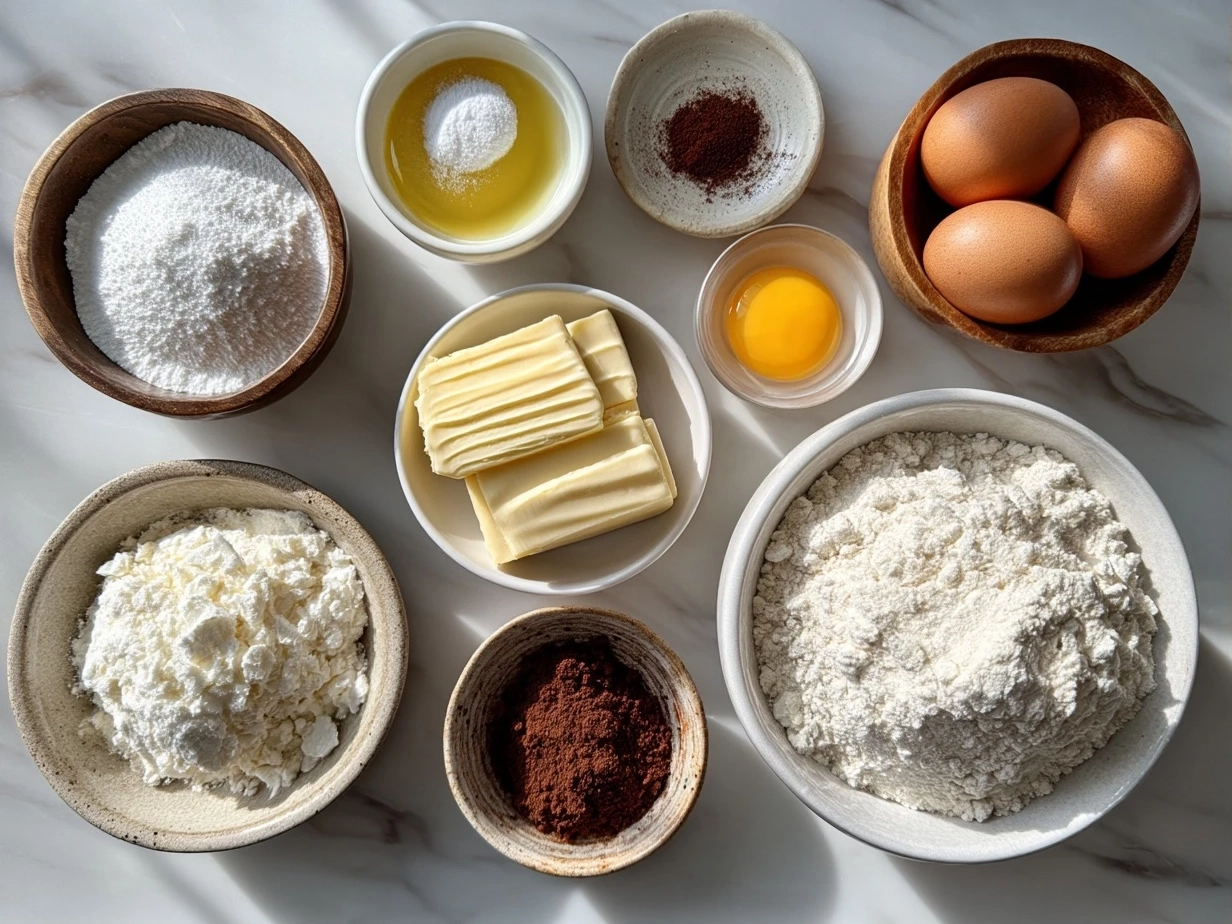
- 2 1/2 cups (320g) all-purpose flour – Choose a soft or bread flour if you want a chewier texture, but all-purpose works great too.
- 3 tablespoons sugar – Adds a touch of sweetness that complements the milk enriched dough without overpowering.
- 1 teaspoon salt – To balance flavor, never skip this.
- 1 tablespoon instant yeast – Easy to mix directly with the flour and helps the dough rise well.
- 1/2 cup (120ml) whole milk – Warmed (not hot) to activate the yeast gently.
- 1/4 cup (60ml) heavy cream – This adds richness to the milk enriched dough. If you don’t have cream, whole milk is okay but cream adds that soft, fluffy lift.
- 1 egg – Helps bind and add color and tenderness.
- 4 tablespoons unsalted butter, softened – Adds flavor and a tender crumb. Room temperature is best so it mixes evenly with the dough.
- Tangzhong starter:
- 3 tablespoons (25g) flour
- 1/2 cup (120ml) water or milk
You’ll find everything for this Japanese Milk Bread Rolls at your regular grocery stores. Those ingredients are pantry staples in many kitchens. If you ever need to swap, this Japanese Milk Bread Rolls is forgiving. For instance, you can replace heavy cream with extra milk or use a dairy-free milk for an alternative. Just expect slight texture changes.
Here’s a Japanese Milk Bread Rolls secret that makes all the difference: making the tangzhong first. This step gelatinizes the starches and helps lock in moisture, keeping the bread soft for days without drying. My family prefers when I use whole milk for richer flavor, but sometimes I use 2% if that’s what I have on hand—it still turns out great.
Before starting, make sure your ingredients are close to room temperature and measure the flour carefully. Too much flour can make the milk enriched dough heavy. Also, give the butter a moment to soften—it folds better into the dough this way and helps keep that pillowy texture bread feel.
How to Make It
Making Japanese Milk Bread Rolls is straightforward once you get the hang of the tangzhong method and dough handling. Here’s a step-by-step to help you make those soft rolls with confidence. This Japanese Milk Bread Rolls recipe typically takes me about 3 to 4 hours, including rising time, but most of it is hands-off.
- Prepare the tangzhong: In a small saucepan, whisk together 3 tablespoons flour with 1/2 cup water or milk until smooth. Cook over low heat, stirring constantly until it thickens to a pudding-like consistency. Remove from heat and let it cool to room temperature. This tangzhong step is what gives the bread its famous fluffy soft rolls texture.
- Mix your dough: In a large bowl, combine the flour, sugar, salt, and instant yeast. Add the cooled tangzhong, warm milk, cream, and egg. Mix until it forms a sticky dough.
- Add butter: Once the dough comes together, knead in the softened butter. I usually do this by hand or with a stand mixer fitted with a dough hook. Knead for about 10-15 minutes until the dough becomes smooth and elastic. When your Japanese Milk Bread Rolls dough is ready, it should be soft and slightly tacky but not overly sticky.
- First rise: Cover the bowl with plastic wrap or a damp towel and let the dough rise in a warm spot until it doubles in size. This usually takes about 1 to 1 1/2 hours depending on your kitchen temperature.
- Shape the rolls: Punch down the dough gently to release air. Divide it into equal portions depending on how large you want your rolls – usually 8 to 10 pieces work well for dinner rolls. Shape each piece into a smooth ball and place them in a greased loaf pan or baking dish, spaced evenly.
- Second rise: Cover again and let the rolls rise until puffy and nearly doubled, about 45 minutes.
- Bake: Preheat your oven to 350°F (175°C). Brush the tops of the rolls with an egg wash if you want a shiny, golden finish. Bake for 20-25 minutes until golden brown on top and the rolls sound hollow when tapped lightly.
- Cool and enjoy: Let the bread cool in the pan for 10 minutes before transferring to a wire rack. These Japanese Milk Bread Rolls smell incredible while baking, and you’ll be tempted to dive in right away.
You’ll know your Japanese Milk Bread Rolls is ready when the crust is delicately golden and the rolls spring back to touch. Don’t worry if your bread looks a little uneven on top – I’ve had batches that weren’t perfect but were delicious every time.
For extra help, check out other home bakers’ experiences with tangzhong starters on Reddit’s r/AskBaking. You’re not alone on the learning curve.
If your family loves this Japanese Milk Bread Rolls, they’ll also enjoy the soft crumb on homemade buttermilk biscuits or the cozy sweetness in cranberry orange bread with glaze.
Serving Ideas
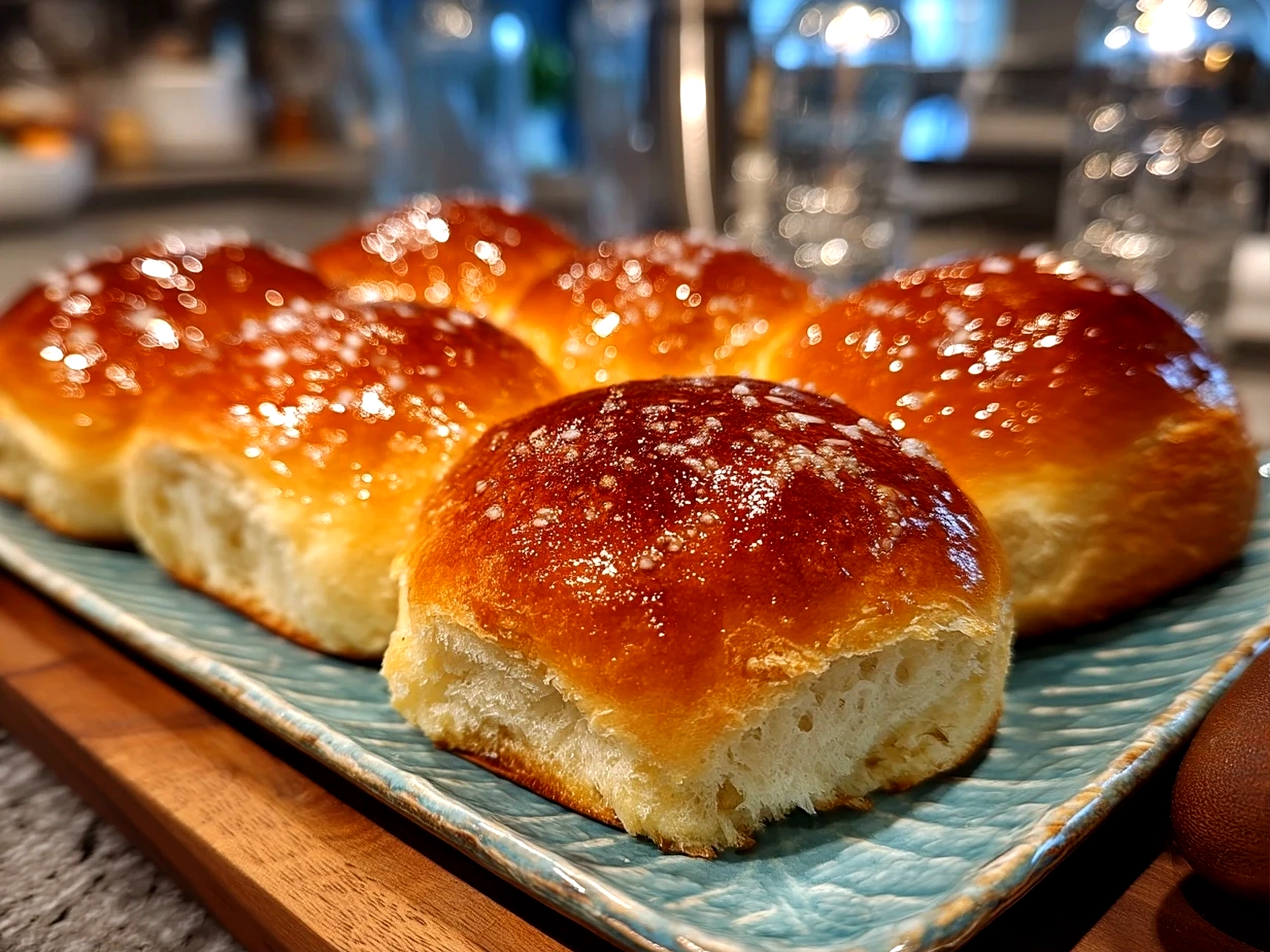
Japanese Milk Bread Rolls have become my family’s go-to bread whenever we want a soft, tender bite that feels just right with any meal. This bread is perfect alongside soups or stews, especially creamy ones like French onion soup which I found to be a dreamy pairing—kind of like in this post from King Arthur Baking on fluffy Japanese milk bread.
For a quick lunch, slice these rolls and spread with butter and jam or use them for sandwiches filled with turkey, cheese, and avocado. The pillowy texture bread holds fillings nicely without falling apart. Leftovers reheat wonderfully either wrapped in foil in the oven or toasted with a bit of butter.
Everyone reaches for seconds when this Japanese Milk Bread Rolls comes out with homemade soups or chili. On busy weeknights, I often pair them with simple roasted chicken and veggies. They soak up sauces beautifully and add a homey feel to any plate.
These rolls also shine at celebrations and holiday meals. We like to set them on the table with an herb butter, making the bread feel extra special. To make them even more festive, sometimes I sprinkle coarse sugar on top before baking for a subtle sweet crunch.
If you want to try a variation, I’ve had success adding a hint of matcha powder for a unique twist or swirling in cinnamon and sugar before rolling for a quick sweet bread version.
If your family loves Japanese Milk Bread Rolls, they might also enjoy the soft, spiced gingerbread crinkle cookies you’ll find at MomsGate. These recipes work well together for meal wins all season long.
Your Questions Answered
I’ve heard from many home cooks curious about making Japanese Milk Bread Rolls. Here are some answers that might help you on your baking journey:
- Can I make this Japanese Milk Bread Rolls ahead of time?
Yes! You can prepare the dough the night before and let it rise slowly in the fridge. Just take it out about an hour before you shape the rolls so it comes to room temperature. This is great for busy mornings or if you want fresh bread ready for dinner. - What if I don’t have bread flour?
All-purpose flour works well for this recipe and is easier to find in most stores. Bread flour can give chewier texture, but I’ve made Japanese Milk Bread Rolls many times with all-purpose and they turn out beautifully soft and pillowy. - How do I store leftover Japanese Milk Bread Rolls?
Store the rolls in an airtight container or zip-top bag at room temperature. They stay soft for up to three days. If you want to keep them longer, freeze in a sealed bag and thaw at room temperature or toast when ready to use. - My dough feels sticky; is that normal?
Yes! The milk enriched dough is supposed to be slightly sticky but still manageable. If it’s too sticky to handle, sprinkle a little flour on your hands and work surface, but avoid adding too much flour in the mixing stage. - Can I make this Japanese Milk Bread Rolls dairy-free?
You can substitute plant-based milk like almond or oat milk and use a dairy-free butter alternative. The texture may be a bit different but it still results in soft rolls thanks to the tangzhong method. - Why is the tangzhong method important for these rolls?
Tangzhong creates a roux with some of the flour and liquid, which helps trap moisture within the bread. This gives you that uniquely fluffy soft rolls texture that stays fresh longer. - I see some recipes call it shokupan bread; is it the same?
Shokupan bread is a Japanese style sandwich bread that often uses the same milk enriched dough and tangzhong technique. Japanese Milk Bread Rolls are like individual shokupan loaves but baked as smaller rolls.
If you want advice from other home bakers on their Japanese Milk Bread Rolls experience, check out the friendly community discussion on Sourdough Japanese Milk Bread Recipe and Baking Experience.
The Final Word
Japanese Milk Bread Rolls have earned a special place in my recipe collection because they bring something soft, warm, and inviting to our family meals. The tangzhong method, which makes this milk enriched dough so tender, is a game-changer for home bakers wanting pillowy texture bread without fuss.
My Japanese Milk Bread Rolls Tips:
- Keep your tangzhong no thicker than pudding consistency for the best moisture lock.
- Knead until the dough is elastic but still slightly tacky—this gives the rolls a soft crumb that’s not dense.
- Let your rolls have a good second rise to puff up and develop that signature fluffy soft rolls feel.
I’ve tried some fun variations like adding a touch of matcha or cinnamon which my family enjoyed. My kids love the classic buttery version best, while my husband is all about the cinnamon swirl for breakfast. This Japanese Milk Bread Rolls recipe is flexible and welcomes your own spins.
I hope your family finds as much joy in this bread as mine has. These rolls make simple meals feel special and offer leftover lunches packed with soft goodness. Remember, this bread is about family moments around the table, not perfection, so enjoy the process and those warm bites together.
If you find success with Japanese Milk Bread Rolls, you might want to try some of my favorite recipe pairs like the gingerbread crinkle cookies or homemade buttermilk biscuits right here at MomsGate.
Happy baking! Your family is going to love these warm, fluffy rolls as much as mine does.
Japanese Milk Bread Rolls
These Japanese Milk Bread Rolls are soft, fluffy, and slightly sweet, perfect for sandwiches or enjoying with butter and jam. The unique tangzhong method creates an irresistibly tender texture that melts in your mouth.
- Prep Time: 20 minutes
- Cook Time: 25 minutes
- Total Time: 2 hours 30 minutes
- Yield: 8 rolls
- Category: Snack
- Method: Baked
- Cuisine: Japanese
Ingredients
- 2 ½ cups bread flour
- 3 tbsp sugar
- 1 tsp salt
- 2 tsp instant dry yeast
- ⅓ cup whole milk, warm
- ⅓ cup heavy cream, warm
- 1 large egg
- 3 tbsp unsalted butter, softened
- ⅓ cup tangzhong (water roux)
Instructions
- Prepare the tangzhong by whisking 3 tbsp bread flour with ½ cup water in a small saucepan. Cook over medium heat, stirring constantly until the mixture thickens to a pudding-like consistency. Remove from heat and cool.
- In a large bowl, combine bread flour, sugar, salt, and instant yeast.
- In a separate bowl, mix warm milk, heavy cream, egg, and the cooled tangzhong.
- Add the wet ingredients to the dry ingredients and knead until combined.
- Add softened butter and continue kneading for about 10-15 minutes until the dough is smooth and elastic.
- Place the dough in a lightly greased bowl, cover, and let it rise in a warm place for 1 to 1 ½ hours or until doubled in size.
- Punch down the dough and divide it into 8 equal portions. Shape each into a roll.
- Place the rolls into a greased baking pan, cover, and let them rise again for 45 minutes.
- Preheat oven to 350°F (175°C). Brush rolls with milk or egg wash for a shiny crust.
- Bake for 20-25 minutes or until golden brown on top.
- Remove from oven and cool on a wire rack before serving.
Notes
For an extra soft crust, brush the rolls with melted butter immediately after baking. These rolls are perfect for breakfast sandwiches or as a side to a hearty soup.